
Inspire Innovations international limited.
Type the part number or keyword in the search box. If you do not know the catalog number, you can find the product by category or by manufacturer. To find a product by device model, first select the manufacturer.
OPT842 Optiflow Nasal Cannula (small)
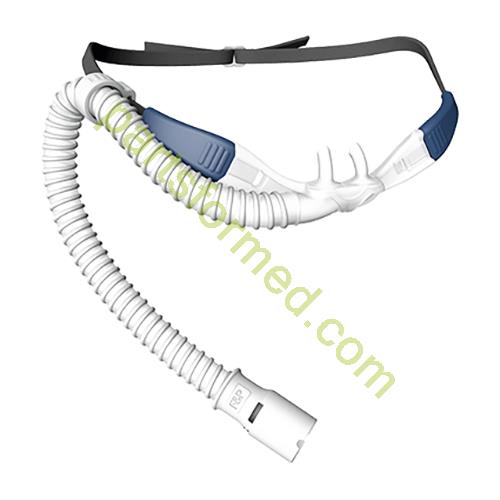

OPT842 Optiflow Nasal Cannula (small)
The OPT842 Optiflow Nasal Cannula from Fisher & Paykel Healthcare is an advanced respiratory interface designed for efficient and comfortable delivery of high-flow oxygen therapy. Primarily aimed at pediatric and neonatal patients, this small-sized nasal cannula is part of the larger Optiflow family, renowned for its precision and patient-centric design. Below is a comprehensive description covering various technical aspects:
Design and Materials
The OPT842 Optiflow Nasal Cannula is manufactured using biocompatible, medical-grade materials that ensure patient safety and comfort. The soft nasal prongs and the flexible cannula tubing are composed of silicone and other hypoallergenic materials to minimize the risk of skin irritation and pressure sores. This construction allows for extended wear, critical in continuous high-flow nasal oxygen (HFNO) therapy.
High-Flow Oxygen Delivery
High-flow oxygen therapy is a non-invasive respiratory support modality that can deliver higher concentrations of oxygen than standard nasal cannulae. The OPT842 is engineered to deliver precise and adjustable flow rates from 2 to 25 liters per minute, suitable for neonatal and pediatric patients. The high flow rates allow for better oxygenation, improved carbon dioxide clearance, and enhanced humidification, which are essential in treating respiratory distress.
Humidification Efficiency
One of the critical features of the OPT842 is its ability to integrate seamlessly with the Fisher & Paykel’s Airvo or other high-flow therapy systems, which provide optimal humidification. The importance of humidification in HFNO therapy cannot be overstated, as it helps maintain mucociliary function, reduces airway inflammation, and ensures that the delivered gases are at a physiologically appropriate temperature and humidity.
Comfort Features
Understanding the critical role of patient comfort in therapy compliance, the OPT842 has several design attributes aimed at improving the user experience:
- Soft Prongs: The nasal prongs are soft and anatomically curved to fit comfortably within the nares, reducing the risk of nasal trauma.
- Ergonomic Tubing: The tubing is lightweight and ergonomically designed to minimize drag and allow patients to move freely.
- Adjustable Headstrap: Accompanying the cannula is an adjustable, soft headstrap that ensures a secure fit without exerting undue pressure on the patient’s head or face.
Kinking and Disconnection Prevention
The OPT842 is meticulously designed to minimize the risk of tubing kinks and accidental disconnections, often a concern in pediatric and neonatal care. The tubing features a smooth, tapered design that aids in preventing obstructions, which could otherwise compromise the therapeutic efficacy and safety.
Sizes and Fit
Though primarily designed in a small size for neonatal and pediatric patients, the OPT842 is part of a range that includes other sizes to cater to different patient populations. The small size is specifically optimized for the delicate anatomies of younger patients, ensuring an effective and comfortable fit.
Sterility and Reusability
The OPT842 comes in a sterile, single-use format to maintain the highest standards of hygiene and prevent cross-contamination. This is particularly crucial in neonatal settings where the risk of infection must be stringently controlled.
Integration and Compatibility
Engineered to work in conjunction with Fisher & Paykel’s comprehensive HFNO systems, the OPT842 cannula can easily be integrated into existing clinical workflows without requiring extensive retraining of healthcare staff. This ensures that clinicians can immediately harness the benefits of the device with minimal disruption.
Clinical Applications
The OPT842 is indicated for use in:
- Neonatal Intensive Care Units (NICUs)
- Pediatric wards
- Emergency departments for acute respiratory distress
- Postoperative care for pediatric surgical patients with compromised respiratory function