
Inspire Innovations international limited.
Type the part number or keyword in the search box. If you do not know the catalog number, you can find the product by category or by manufacturer. To find a product by device model, first select the manufacturer.
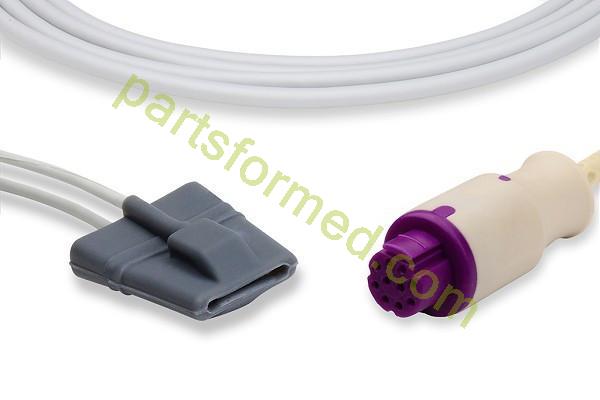
Reusable pediatric silicone soft tip SpO2 Sensor for S&W patient monitors


$82
Found cheaper?
-
+
Buy in 1 click
Consult in WhatsApp 
The price is valid only for the online store and may differ from the prices in retail stores.
Description
Reusable pediatric silicone soft tip SpO2 Sensor for S&W patient monitors
Part number S110S-190
pediatric (15-40 kg),
clip type - "silicone soft tip",
wire length - 3 m,
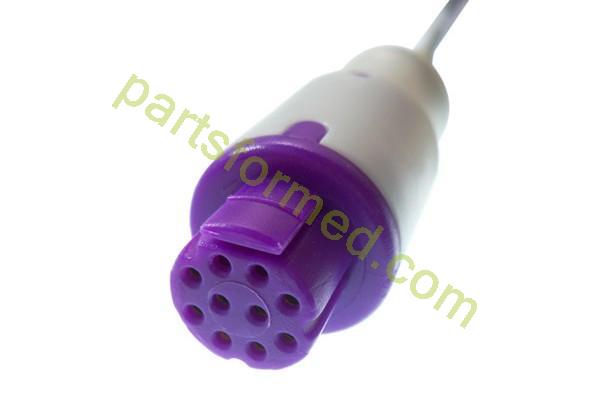
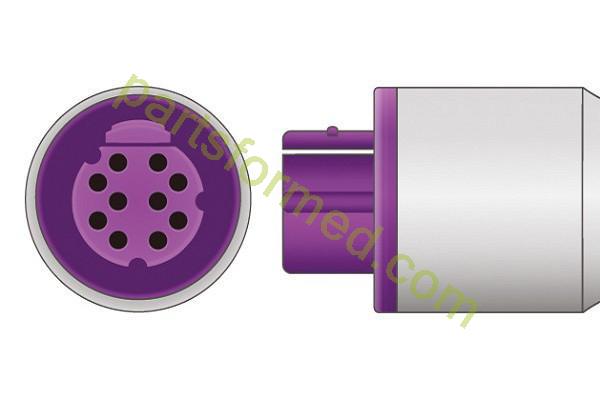
connector - Round 10 Pin
Reusable pulse oximeter sensor is designed to measure the level of saturation (oxygen saturation) of the patient's blood.
Reusable pediatric silicone soft tip SpO2 sensors are sophisticated medical devices widely employed in non-invasive monitoring of blood oxygen saturation (SpO2) and pulse rate in pediatric patients. These sensors are especially designed for children, who may have smaller, more delicate fingers, making adult sensors inappropriate or ineffective. The construction and functionality of these devices are multifaceted, combining biocompatible materials with advanced optical and electronic technology to ensure precise, reliable readings. ### Construction and Materials #### Silicone Soft Tip The soft tip of these sensors is constructed from high-quality, medical-grade silicone. This material is chosen for several reasons: - **Biocompatibility**: Silicone is hypoallergenic and does not irritate the skin, making it ideal for continuous monitoring. - **Flexibility and Comfort**: The soft, flexible nature of silicone ensures that the sensor conforms to the contours of a child's finger, reducing pressure points and enhancing comfort, which is essential for pediatric patients who may struggle to remain still during monitoring. - **Durability**: Medical-grade silicone is robust and can withstand multiple cycles of cleaning and disinfection, ensuring the sensor’s longevity even with frequent use. ### Technical Design #### Optical Sensing Components The sensor employs two key optical components: a light-emitting diode (LED) and a photodetector. - **LEDs**: These emit both red light (660 nm wavelength) and infrared light (940 nm wavelength). The choice of these specific wavelengths is crucial as they are differentially absorbed by oxygenated and deoxygenated hemoglobin. - **Photodetector**: Positioned opposite the LEDs, this component detects the amount of light that passes through the finger. The sensor measures the light absorption at the two wavelengths, which varies depending on the blood oxygen saturation levels. #### Signal Processing The data from the photodetector is interpreted by an integrated signal processor: - **Amplification**: The signal from the photodetector is very faint and needs to be amplified without introducing noise. - **Filtering**: High-precision filters are employed to eliminate artifacts caused by ambient light, patient movement, or other interferences. - **Calculation**: Algorithms process the filtered signals to calculate the SpO2 levels and the pulse rate. These algorithms account for the variability in pediatric physiology compared to adults, ensuring accurate readings. ### Connectivity and Compatibility Reusable pediatric silicone soft tip SpO2 sensors are typically designed with a standard interface that allows them to connect to a wide range of patient monitoring systems. - **Connector Types**: The sensors may feature proprietary connectors or standardized types like DB9 or mini-DIN connectors, ensuring compatibility with various monitors. - **Cable Length and Flexibility**: The cable connecting the sensor to the monitor is designed to be long enough to allow for patient mobility while ensuring that the connection remains secure. ### Use and Maintenance #### Application 1. **Placement**: The sensor is gently slipped over a pediatric patient's finger. The soft silicone ensures a snug but comfortable fit that maintains proper alignment of the LEDs and photodetector. 2. **Monitoring**: Once placed, the sensor continually transmits data to the connected monitor, providing real-time updates on SpO2 levels and pulse rate. #### Cleaning and Disinfection - **Cleaning**: After each use, the sensor must be cleaned using non-abrasive, medical-grade cleaning agents. It's critical to follow manufacturer guidelines to maintain sensor performance and longevity. - **Disinfection**: Disinfection protocols typically involve wiping the sensor with a disinfectant solution. Due to the sensitive nature of the equipment, immersion in liquid is usually avoided to prevent damage to the electronic components. ### Advantages and Applications #### Benefits - **Comfort and Compliance**: The softness and flexibility of the silicone ensure that pediatric patients experience minimal discomfort, which improves compliance. - **Reusability**: Designed for repeat use, these sensors provide cost-effective solutions for healthcare facilities, reducing the frequency of replacements and associated costs. - **Accuracy**: With standards tailored for pediatric physiology, these sensors deliver precise and reliable readings critical for the monitoring of young patients. #### Clinical Applications Reusable pediatric silicone soft tip SpO2 sensors are used in various clinical settings, including: - **Hospitals**: In pediatric wards, emergency departments, and intensive care units. - **Outpatient Clinics**: For routine check-ups and monitoring of chronic conditions. - **Home Care**: For continuous monitoring of pediatric patients with respiratory or cardiac conditions. ### Conclusion Reusable pediatric silicone soft tip SpO2 sensors are essential tools in modern pediatric healthcare. Their design prioritizes comfort, durability, and accuracy, ensuring the effective monitoring of blood oxygen levels and pulse rates in young patients. By combining advanced materials with sophisticated technology, these sensors play a critical role in improving clinical outcomes and enhancing the quality of care provided to pediatric patients.Ask a Question