
Inspire Innovations international limited.
Type the part number or keyword in the search box. If you do not know the catalog number, you can find the product by category or by manufacturer. To find a product by device model, first select the manufacturer.
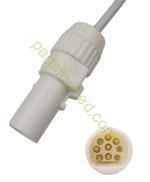
Reusable pediatric silicone soft tip SpO2 Sensor for M&B patient monitors
$77
Found cheaper?
-
+
Buy in 1 click
Consult in WhatsApp 
The price is valid only for the online store and may differ from the prices in retail stores.
Description
Reusable pediatric silicone soft tip SpO2 Sensor for M&B patient monitors
Part number U417-1DL
pediatric (15-40 kg),
clip type - "silicone soft tip",
wire length - 3 m,
connector - 7 Pin
Reusable pulse oximeter sensor is designed to measure the level of saturation (oxygen saturation) of the patient's blood.
### Reusable Pediatric Silicone Soft Tip SpO2 Sensor **Introduction** A reusable pediatric silicone soft tip SpO2 sensor is a specialized medical device used to measure oxygen saturation (SpO2) and pulse rate in pediatric patients. These sensors are designed to be comfortable, accurate, and durable to meet the unique needs of children, ranging from infants to adolescents. Implementing advanced materials like medical-grade silicone and sophisticated sensing technology, these devices are critical in clinical, emergency, and home healthcare settings. **Materials and Design** The reusable pediatric SpO2 sensor features a soft-tip design constructed from high-quality, medical-grade silicone. The silicone material is hypoallergenic and biocompatible, minimizing the risk of skin irritation or allergic reaction, which is especially important for the sensitive skin of pediatric patients. The ergonomic design ensures a secure and comfortable fit, reducing movement artifacts and thereby enhancing measurement accuracy. **Core Components** 1. **Photodetector and Light Emitters**: These sensors use dual light sources, typically red (around 660 nm) and infrared (around 940 nm) LEDs, to penetrate the tissue and detect blood oxygen levels based on light absorption at these wavelengths. The photodetector, usually a photodiode, captures the light passing through the blood-perfused tissue, measuring the differential absorption to calculate SpO2 and pulse rate. 2. **Flexible Cable**: A durable, flexible cable connects the sensor to the monitor. The cable is often reinforced to resist wear and tear, while remaining lightweight and pliable to avoid discomfort for the pediatric patient. 3. **Connector**: The sensor features a reliable interface connector compatible with a wide range of pulse oximeters. The connector is designed to be easy to use and robust to ensure consistent connectivity. **Operation and Signal Processing** When the sensor is attached to the patient's finger, toe, or another suitable peripheral site, the LEDs emit light through the tissue. The photodetector measures the amount of light absorbed by oxyhemoglobin and deoxyhemoglobin, providing data used to calculate the ratio of oxygenated to deoxygenated hemoglobin, i.e., the SpO2. The data is transmitted to the pulse oximeter, which uses algorithms to process the signal, filtering out noise and compensating for low perfusion and other variables that could affect accuracy. **Calibration and Accuracy** To ensure optimal performance, reusable pediatric silicone soft tip SpO2 sensors undergo rigorous calibration against clinical standards. The calibration process involves comparing the sensor's readings with reference blood gas analysis to ensure accuracy within clinically acceptable ranges. Advanced signal processing algorithms help mitigate the impact of factors like ambient light, patient movement, and low perfusion states. **Durability and Maintenance** These sensors are designed for repeated use, featuring rugged construction to withstand numerous sterilization cycles. Regular cleaning and disinfection protocols must be followed to maintain hygiene and prevent cross-contamination. Most sensors can be cleaned with approved disinfectant wipes and should be inspected regularly for signs of wear or damage. **Compatibility and Integration** Modern reusable pediatric SpO2 sensors are typically compatible with a variety of pulse oximeter monitors from different manufacturers, facilitated by standardized connectors and communication protocols. Integration with electronic medical records (EMR) and centralized monitoring systems allows for continuous patient monitoring and data logging, enhancing clinical decision-making and patient outcomes. **Use Cases** 1. **Clinical Settings**: Used in hospitals for continuous or spot-check monitoring during surgeries, post-operative recovery, intensive care, and general ward settings. 2. **Emergency Services**: Facilitates immediate and accurate SpO2 measurement in ambulatory care and emergency departments. 3. **Home Healthcare**: Beneficial for managing chronic respiratory conditions like asthma and cystic fibrosis in a home setting. **Conclusion** The reusable pediatric silicone soft tip SpO2 sensor embodies a blend of advanced materials and high-precision technology, providing reliable and comfortable monitoring for pediatric patients. Its durability, coupled with excellent accuracy and user-friendly design, makes it an invaluable tool in various healthcare environments, ensuring the well-being of young patients through continuous and accurate monitoring of vital signs.Ask a Question