
Inspire Innovations international limited.
Type the part number or keyword in the search box. If you do not know the catalog number, you can find the product by category or by manufacturer. To find a product by device model, first select the manufacturer.
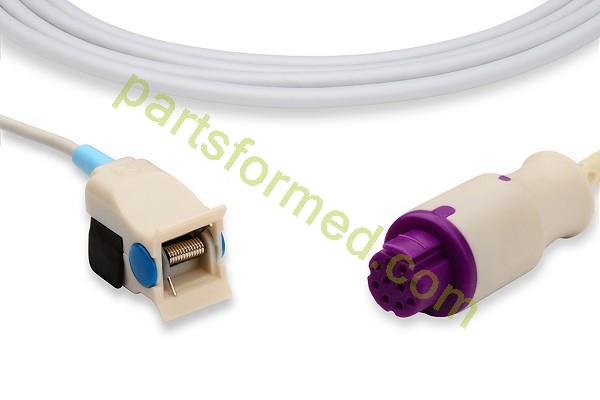
Reusable pediatric finger clip SpO2 Sensor for S&W patient monitors


$82
Found cheaper?
-
+
Buy in 1 click
Consult in WhatsApp 
The price is valid only for the online store and may differ from the prices in retail stores.
Description
Reusable pediatric finger clip SpO2 Sensor for S&W patient monitors
Part number S110-190
pediatric (15-40 kg),
clip type - "finger clip",
wire length - 3 m,
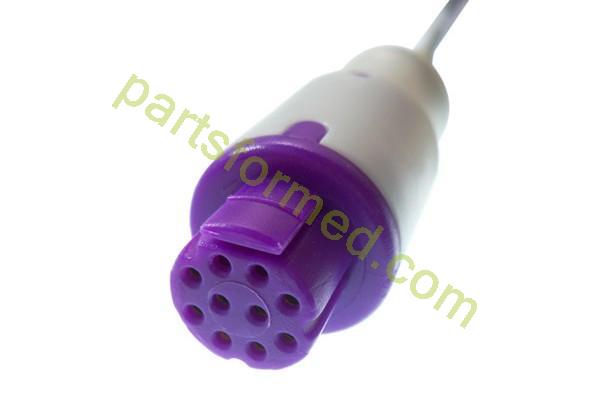
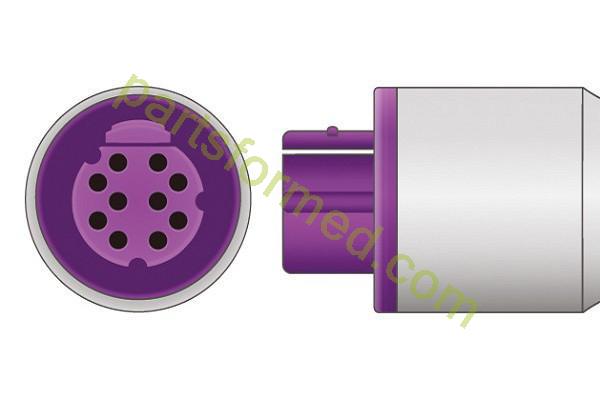
connector - Round 10 Pin
Reusable pulse oximeter sensor is designed to measure the level of saturation (oxygen saturation) of the patient's blood.
Reusable Pediatric Finger Clip SpO2 Sensors: A Detailed Technical Overview ### Introduction The reusable pediatric finger clip SpO2 sensor is a pivotal tool in pediatric healthcare, facilitating the continuous and non-invasive monitoring of peripheral arterial oxygen saturation (SpO2) and pulse rate. These sensors are specifically designed to cater to the anatomical and physiological nuances of pediatric patients, ensuring accuracy, comfort, and reliability. This technical overview delves into the design, functionality, and applications of these advanced medical devices. ### Design and Construction #### Ergonomics and Size Pediatric finger clip SpO2 sensors are meticulously crafted to fit the smaller fingers of children, typically ranging from neonates to older children. The sensor's clip usually features a softer, more pliable material to enhance comfort and ensure secure placement without exerting excessive pressure, thus preventing any potential tissue damage. #### Material Composition The sensors are made from biocompatible materials to prevent allergic reactions or skin irritations. The materials commonly used include medical-grade silicone or thermoplastic elastomers for the external covering, which provide durability and flexibility. The internal components include: - **Optical Emitters and Detectors**: Typically, LEDs (Light Emitting Diodes) are used as emitters for two specific wavelengths (red and infrared), while photodiodes serve as detectors. The specific wavelengths (usually around 660 nm for red and 940 nm for infrared) are chosen to maximize the differential absorption characteristics between oxygenated and deoxygenated hemoglobin. - **Shielding**: Proper optical and electrical shielding is utilized to minimize signal interference and ensure robust performance, especially in a hospital environment where multiple electronic devices are in operation. #### Reusability The design incorporates ease of cleaning and sterilization, allowing the sensor to be reused multiple times. Typically, these sensors are designed to withstand harsh cleaning agents and repeated cycles of disinfection to adhere to strict hygiene standards in clinical settings. ### Functionality #### Signal Processing The SpO2 sensor operates based on the principles of pulse oximetry. It measures differential light absorption through the finger's tissue bed during cardiac cycles, allowing it to estimate the relative concentration of oxygenated hemoglobin. The process includes: 1. **Emission of Light**: The sensor's LEDs alternately emit red and infrared light through the fingertip. 2. **Detection and Amplification**: The photodiode detects the transmitted or reflected light and converts it into an electrical signal. This signal is then amplified and filtered to reduce noise and artifacts. 3. **Calculation and Display**: The amplified signal is processed by the monitor's algorithm, which calculates the SpO2 value and pulse rate, displayed in real-time. #### Accuracy and Calibration Modern sensors incorporate advanced calibration techniques to ensure accuracy across a wide range of perfusion levels and patient movement scenarios. Calibration is often conducted through empirical studies involving wide demographics to fine-tune the sensor's algorithms to pediatric specifications. ### Applications and Advantages #### Clinical Use Pediatric SpO2 sensors are extensively used in various clinical scenarios including: - **Intensive Care Units (ICUs)**: For continuous monitoring of critical pediatric patients. - **Emergency Settings**: To quickly assess oxygenation status in acute situations such as respiratory distress. - **Surgery and Postoperative Care**: To monitor oxygen levels during and after surgical procedures. - **General Pediatric Wards**: For routine monitoring of hospitalized children with respiratory conditions. #### Portability and Home Use With advancements in portable pulse oximetry devices, reusable pediatric finger clip sensors are now increasingly used for home monitoring, especially for children with chronic respiratory or cardiac conditions. These devices are typically lightweight, battery-operated, and allow for remote data sharing with healthcare providers. #### Benefits The reusable nature of these sensors offers several advantages: - **Cost-Efficiency**: Reduces the need for disposable sensors, leading to significant cost savings. - **Environmentally Friendly**: Decreases medical waste, promoting sustainable healthcare practices. - **Reliability**: Reusable sensors provide consistent performance after multiple uses when properly maintained. ### Maintenance and Care To ensure longevity and optimal performance, the following practices are recommended: 1. **Regular Cleaning**: Follow manufacturer guidelines for cleaning agents and methods. Typically, alcohol-based disinfectants or mild detergents are used. 2. **Inspection**: Regularly inspect the sensor for signs of wear, damage, or discoloration of the optical components. 3. **Storage**: Store in a clean, dry location, away from direct sunlight and extreme temperatures. ### Conclusion The reusable pediatric finger clip SpO2 sensor is an indispensable tool in modern pediatric care, offering precise and reliable monitoring of oxygen saturation and pulse rate. Its ergonomic design, high-quality materials, and advanced signal processing capabilities ensure that it meets the unique needs of pediatric patients, making a significant impact on patient outcomes and overall healthcare efficiency.Ask a Question