
Inspire Innovations international limited.
Type the part number or keyword in the search box. If you do not know the catalog number, you can find the product by category or by manufacturer. To find a product by device model, first select the manufacturer.
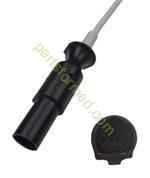
Reusable pediatric finger clip SpO2 Sensor for M&B patient monitors
$81
Found cheaper?
-
+
Buy in 1 click
Consult in WhatsApp 
The price is valid only for the online store and may differ from the prices in retail stores.
Description
Reusable pediatric finger clip SpO2 Sensor for M&B patient monitors
Part number U417-2CL
pediatric (15-40 kg),
clip type - "finger clip",
wire length - 3 m,
connector - 7 Pin
Reusable pulse oximeter sensor is designed to measure the level of saturation (oxygen saturation) of the patient's blood.
Certainly! Below is a detailed technical text about a reusable pediatric finger clip SpO2 sensor. --- ### Reusable Pediatric Finger Clip SpO2 Sensor #### Overview A Reusable Pediatric Finger Clip SpO2 Sensor is an essential medical device that enables the continuous non-invasive monitoring of arterial oxygen saturation (SpO2) levels and pulse rate in pediatric patients. Its design is specifically tailored for the smaller, more delicate fingers of children, typically ranging from infants to early adolescents. These sensors are integral components of pulse oximetry systems used in hospitals, clinics, and home healthcare settings. #### Design and Construction - **Material**: The sensor is typically made from medical-grade, biocompatible materials to ensure it is safe for prolonged skin contact. Common materials include silicone and thermoplastic elastomers, which offer both comfort and flexibility. - **Size and Fit**: The clip is designed to be smaller and more adaptable than adult versions, providing a snug but comfortable fit to prevent slippage and ensure accurate readings. - **Durability**: As a reusable device, it is built to withstand repeated use and cleaning/disinfection protocols. Reinforced cables and stress relief features at connection points enhance durability. #### Key Components 1. **Opto-electronic Modules**: - **LEDs (Light Emitting Diodes)**: Emit red and infrared light through the finger tissue. - **Photodetector**: Captures the transmitted light and measures the amount absorbed by oxygenated and deoxygenated hemoglobin. 2. **Clip Mechanism**: - **Spring-loaded Hinge**: Provides the appropriate amount of pressure to hold the sensor securely on the finger without causing discomfort. - **Grip Pads**: Often lined with soft materials to enhance comfort and reduce the risk of skin irritation. 3. **Cable and Connector**: - **Shielded Cable**: Protects against electromagnetic interference to ensure signal integrity. - **Universal Connector**: Compatible with various pulse oximetry monitors, featuring pin configurations that follow industry standards for ease of use. #### Functionality - **Measurement Range**: - **SpO2**: Typically 0% to 100%. - **Pulse Rate**: Commonly 30 to 250 beats per minute. - **Accuracy**: High accuracy is critical, often within ±2% for SpO2 and ±3 BPM for pulse rate under normal conditions. - **Response Time**: Quick response times to changes in oxygen levels and heart rate, crucial for monitoring pediatric patients who may experience rapid physiological changes. #### Interoperability - **Compatibility**: Designed to be compatible with a wide range of pulse oximeters and multi-parameter patient monitors from various manufacturers. - **Plug-and-Play**: Most sensors are designed for easy installation and use, requiring no complex setup or calibration by the user. #### Application and Use - **Clinical Settings**: Used in pediatric wards, intensive care units (ICUs), and during surgical procedures to monitor vital signs continuously. - **Home Use**: Provides parents and caregivers with the means to monitor children with chronic conditions such as congenital heart defects or respiratory issues. - **Emergency Settings**: Utilized by paramedics and emergency responders in pre-hospital care for swift assessment of critical conditions. #### Maintenance and Hygiene - **Cleaning Protocols**: Sensors should be cleaned and disinfected according to the manufacturer's guidelines to prevent cross-contamination and ensure longevity. Common disinfectants include alcohol-based wipes and solutions. - **Inspection and Replacement**: Regular inspection for wear and tear is necessary. Components such as the cable and clip mechanism should be checked for integrity, and any damage should prompt replacement to maintain accurate and reliable readings. #### Regulatory and Safety Standards - **Compliance**: These sensors must comply with international safety and performance standards such as ISO 80601-2-61 (Particular requirements for basic safety and essential performance of pulse oximeter equipment) and relevant FDA regulations. - **Certification**: Typically marked with CE, FDA approval, or other regional regulatory certifications ensuring safety and efficacy. #### Conclusion A Reusable Pediatric Finger Clip SpO2 Sensor is a vital medical tool for the accurate and continuous monitoring of oxygen saturation and pulse rate in children. Its design prioritizes comfort, durability, and precision, making it indispensable in various healthcare settings. Proper care, compatibility, and adherence to regulatory standards ensure its effective and safe use, ultimately contributing to better patient outcomes. --- This detailed technical text provides a comprehensive overview for those looking to understand the importance, design, functionality, and application of reusable pediatric finger clip SpO2 sensors.Ask a Question