
Inspire Innovations international limited.
Type the part number or keyword in the search box. If you do not know the catalog number, you can find the product by category or by manufacturer. To find a product by device model, first select the manufacturer.
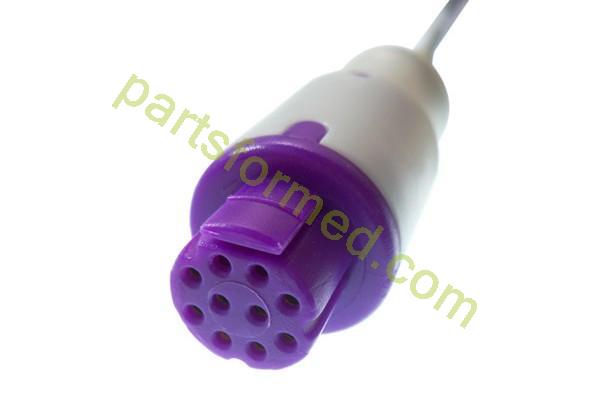
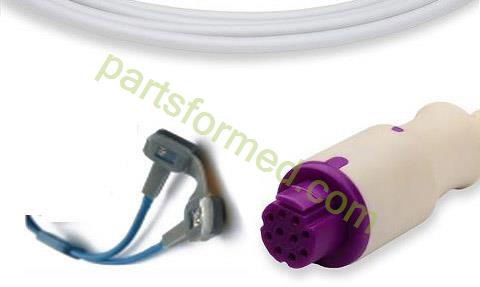
Reusable neonatal silicone wrap SpO2 Sensor for S&W patient monitors


$83
Found cheaper?
-
+
Buy in 1 click
Consult in WhatsApp 
The price is valid only for the online store and may differ from the prices in retail stores.
Description
Reusable neonatal silicone wrap SpO2 Sensor for S&W patient monitors
Part number U432-1FL
neonatal (more than 3 kg),
clip type - "silicone wrap",
wire length - 3 m,
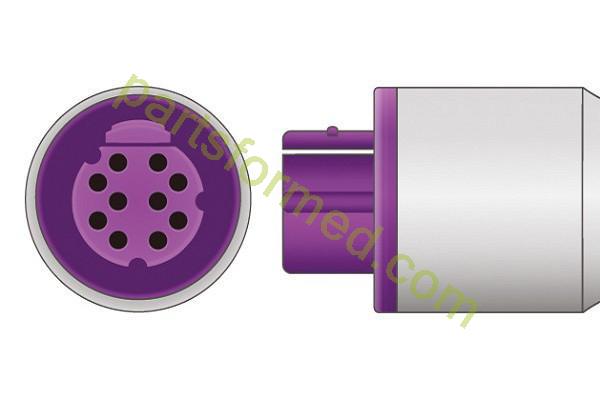
connector - Round 10 Pin
Reusable pulse oximeter sensor is designed to measure the level of saturation (oxygen saturation) of the patient's blood.
### Reusable Neonatal Silicone Wrap SpO2 Sensor: A Technical Overview #### Introduction In neonatal care, accurate and continuous monitoring of oxygen saturation (SpO2) is paramount due to the increased vulnerability of neonates to hypoxemia and other respiratory complications. Reusable neonatal silicone wrap SpO2 sensors represent a significant advancement in the technology used for this critical function. These sensors are designed to address the unique challenges associated with neonatal monitoring, such as the need for gentle application, precision, and repeated use without compromising performance or neonatal skin integrity. #### Design and Materials ##### Silicone Wrap The primary material used in these sensors is medical-grade silicone, known for its biocompatibility, flexibility, and durability. The silicone wrap is designed to be soft and elastic, ensuring a secure yet gentle fit around the neonate's limb, usually the foot or hand. The wrap is ergonomically designed to prevent pressure points and reduce the risk of compromised blood flow, skin irritation, or pressure sores. ##### Optical Components The sensor integrates advanced optical components, including light-emitting diodes (LEDs) and photodetectors. These components are responsible for transmitting and detecting light through the neonate’s skin to measure the oxygen saturation levels in the blood. Typically, the LEDs emit light at two wavelengths (red and infrared), which are differentially absorbed by oxygenated and deoxygenated hemoglobin. ##### Adhesives and Fasteners The reusable design includes non-irritating, hypoallergenic adhesives or Velcro fasteners to secure the sensor in place. These fasteners are designed for multiple applications, maintaining their effectiveness over numerous cycles. The adhesives are skin-friendly, minimizing the risk of allergic reactions or skin damage. ##### Mechanical Durability Given the intended usage in neonatal intensive care units (NICUs), the sensor is constructed to withstand repeated disinfection and sterilization processes without degradation. This aspect is crucial for maintaining hygiene standards and ensuring the longevity of the sensor. #### Functional Principles ##### Photoplethysmography (PPG) The working principle of the reusable neonatal silicone wrap SpO2 sensor is based on photoplethysmography (PPG), a non-invasive optical technique. When the sensor is in place, the LEDs emit light that penetrates the neonatal skin and is absorbed by blood vessels. The photodetector measures the amount of light either transmitted through or reflected off the tissue. ##### Differential Absorption The differential absorption of red and infrared light by oxygenated and deoxygenated hemoglobin allows the sensor to calculate the ratio of the two types of hemoglobin. This ratio is then used to determine the oxygen saturation level, typically expressed as a percentage (SpO2). The signal is processed and displayed on a connected pulse oximetry device, providing continuous and real-time monitoring. #### Performance Characteristics ##### Sensitivity and Specificity The sensor is designed to provide high sensitivity and specificity in detecting blood oxygen saturation. This is critically important in neonates due to their small blood volume and relatively rapid physiological changes. ##### Stability and Accuracy The robustness of the measured signals is maintained under various conditions, including neonatal movement, ambient light interference, and varying skin pigmentation. Advanced algorithms in the monitoring device compensate for these factors, ensuring accurate readings. ##### Comfort and Safety The silicone wrap, being soft and flexible, offers superior comfort and safety for the delicate skin of neonates. This minimizes the risk of skin breakdown and pressure sores, which are significant concerns in long-term monitoring. ##### Reusability Designed for repeated use, the sensor provides cost-effectiveness to healthcare facilities. It requires routine cleaning and sterilization, and its materials are chosen for their compatibility with these processes. Guidelines for sterilization, typically provided by the manufacturer, should be strictly followed to ensure sensor longevity and performance. #### Integration and Compatibility ##### Device Compatibility The reusable neonatal silicone wrap SpO2 sensor is compatible with various pulse oximeters and multi-parameter monitors used in NICUs. Universal connectors or adapters are often provided to ensure seamless integration with existing monitoring equipment. ##### Calibration and Maintenance Periodic calibration is recommended to maintain sensor accuracy. Some advanced models feature self-calibration capabilities, reducing the need for manual intervention. Maintenance includes regular inspection for wear and tear, particularly of the wrap material and optical components. ##### Data Interface Modern sensors may also integrate with data management systems, allowing for the seamless recording and analysis of SpO2 data. This feature supports comprehensive neonatal care, providing valuable insights for clinical decision-making. #### Conclusion The reusable neonatal silicone wrap SpO2 sensor represents a significant advancement in neonatal monitoring technology. Its design focuses on the unique needs of neonates, offering accurate, reliable, and comfortable monitoring of blood oxygen saturation. By combining advanced optical technology with durable, biocompatible materials, this sensor not only enhances clinical outcomes but also provides a cost-effective and sustainable solution for neonatal intensive care units. This sophisticated medical device is a critical component in the arsenal of modern neonatal care, reflecting the ongoing technological innovations aimed at improving the health and well-being of our most vulnerable patients.Ask a Question