
Inspire Innovations international limited.
Type the part number or keyword in the search box. If you do not know the catalog number, you can find the product by category or by manufacturer. To find a product by device model, first select the manufacturer.
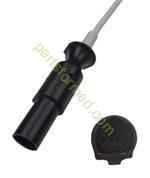
Reusable neonatal silicone wrap SpO2 Sensor for M&B patient monitors
$82
Found cheaper?
-
+
Buy in 1 click
Consult in WhatsApp 
The price is valid only for the online store and may differ from the prices in retail stores.
Description
Reusable neonatal silicone wrap SpO2 Sensor for M&B patient monitors
Part number U417-2FL
neonatal (more than 3 kg),
clip type - "silicone wrap",
wire length - 3 m,
connector - 7 Pin
Reusable pulse oximeter sensor is designed to measure the level of saturation (oxygen saturation) of the patient's blood.
# Reusable Neonatal Silicone Wrap SpO2 Sensor for Monitoring Oxygen Saturation ## Introduction Neonatal care demands the highest precision and gentleness due to the vulnerability of newborns, especially those requiring intensive medical attention. Monitoring oxygen saturation (SpO?) is a critical parameter in neonatal care as it provides vital information regarding the oxygenation status of infants. Reliable measurement tools are essential to ensure accurate readings without compromising the neonate's comfort or safety. The reusable neonatal silicone wrap SpO? sensor represents a significant advancement in medical technology, designed specifically to meet these needs. ## Key Features and Design ### Construction and Materials The reusable neonatal silicone wrap SpO? sensor is engineered using top-grade medical silicone, which provides several benefits: 1. **Biocompatibility**: Medical-grade silicone is biocompatible, reducing the risk of allergic reactions and skin irritation, which is crucial for the sensitive skin of neonates. 2. **Comfort and Flexibility**: The silicone material is soft, flexible, and hypoallergenic, ensuring a snug yet gentle fit around the infant's foot or hand, minimizing discomfort during prolonged monitoring. ### Sensor and Electronics The core of the SpO? sensor comprises advanced optoelectronic components: 1. **Light Emitters and Detectors**: The sensor includes light-emitting diodes (LEDs) that emit red and infrared light and photodetectors that measure the light passing through the infant's tissues. The differential absorption of these wavelengths allows for the calculation of oxygen saturation. 2. **Digital Signal Processing**: Modern sensors employ digital signal processing (DSP) techniques to filter out noise and enhance the accuracy of the readings. These algorithms compensate for movement artifacts, which are common in neonates. ### Secure Wrapping Mechanism The wrap mechanism is designed for ease of application and secure attachment: 1. **Customizable Fit**: The wrap can be easily adjusted to accommodate different sizes and is secured using hook-and-loop fasteners or medical-grade adhesive strips, ensuring that the sensor remains in place even with movement. 2. **Non-Invasive Design**: The non-invasive nature of the wrap and sensor setup minimizes the risk of infection and other complications. ## Advantages ### Accuracy and Reliability - **Consistent Readings**: The advanced DSP algorithms ensure consistent and accurate readings, which are crucial for timely interventions. - **Low Drift**: High-quality components ensure stability and low drift over time, reducing the need for frequent recalibrations. ### Cost-Effectiveness - **Reusable Design**: Unlike disposable sensors, the reusable silicone wrap sensor can be sterilized and reused multiple times, reducing overall operational costs. - **Durability**: The robust design ensures that the sensor withstands repeated use and sterilization cycles. ### Ease of Use - **Quick Application**: The wrap design allows for quick and easy application, which is critical in emergency situations where time is of the essence. - **User-Friendly Interface**: Many sensors come with indicators or lights that confirm proper placement and functionality, aiding healthcare professionals in correct usage. ## Application and Compatibility ### Clinical Use The reusable neonatal silicone wrap SpO? sensor is indispensable in various neonatal clinical settings, including: 1. **Intensive Care Units (ICUs)**: For constant monitoring of critically ill neonates. 2. **Postoperative Monitoring**: To ensure adequate oxygenation following surgical procedures. 3. **Routine Check-Ups**: In neonatal wards for continuous monitoring of at-risk infants. ### Device Compatibility These sensors are designed to be compatible with a wide range of pulse oximeter devices available in the market, utilizing standardized connectors and communication protocols (e.g., I?C, UART). This ensures seamless integration into existing medical equipment infrastructure. ## Maintenance and Sterilization ### Cleaning Procedures To maintain the sensor's hygiene and functionality: 1. **Disinfection**: Wipe the sensor with a gentle disinfectant after each use. 2. **Sterilization**: Follow manufacturer guidelines for periodic sterilization, which may include autoclaving or the use of chemical sterilants. ### Inspection and Replacement Regular inspection of the sensor for wear and tear is crucial: 1. **Visual Inspection**: Check for any signs of degradation in the silicone wrap or damage to the optoelectronic components. 2. **Functional Testing**: Periodically test the sensor's functionality using a calibration device to ensure accuracy. ## Conclusion The reusable neonatal silicone wrap SpO? sensor is a sophisticated medical device that combines precision, comfort, and cost-effectiveness, making it an essential tool in modern neonatal care. Its design caters specifically to the delicate needs of neonates, ensuring reliable monitoring of oxygen saturation with minimal discomfort. As technology continues to evolve, such sensors will undoubtedly play a pivotal role in enhancing neonatal care outcomes worldwide.Ask a Question