
Inspire Innovations international limited.
Type the part number or keyword in the search box. If you do not know the catalog number, you can find the product by category or by manufacturer. To find a product by device model, first select the manufacturer.
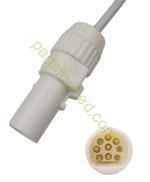
Reusable neonatal silicone wrap SpO2 Sensor for M&B patient monitors
$78
Found cheaper?
-
+
Buy in 1 click
Consult in WhatsApp 
The price is valid only for the online store and may differ from the prices in retail stores.
Description
Reusable neonatal silicone wrap SpO2 Sensor for M&B patient monitors
Part number U417-1FL
neonatal (more than 3 kg),
clip type - "silicone wrap",
wire length - 3 m,
connector - 7 Pin
Reusable pulse oximeter sensor is designed to measure the level of saturation (oxygen saturation) of the patient's blood.
## Reusable Neonatal Silicone Wrap SpO2 Sensor: Technical Overview ### Introduction Pulse oximetry is a widespread, non-invasive method used to monitor oxygen saturation (SpO2) in the blood. Recognizing the unique requirements of neonatal patients, manufacturers have designed specialized sensors to safely and effectively measure SpO2 in newborns. One such innovation is the reusable neonatal silicone wrap SpO2 sensor. This article delves into the key technical features, benefits, and applications of this sensor, focusing on its design elements and operational principles. ### Design and Construction #### Materials The neonatal silicone wrap SpO2 sensor is primarily constructed from medical-grade silicone, selected for its biocompatibility, flexibility, and durability. The skin-contacting elements are designed to be hypoallergenic to reduce the risk of irritation or allergic reactions in neonates. #### Sensor Configuration This sensor is composed of two main components: the light-emitting diode (LED) and the photodetector. The LED emits light at two wavelengths—typically red (around 660 nm) and infrared (around 940 nm). The photodetector, situated on the opposite side of the wrap, captures the light that transmits through the tissue. The use of dual wavelengths allows for the differentiation between oxygenated and deoxygenated hemoglobin. #### Wrap Mechanism The silicone wrap incorporates an ergonomic design tailored to enhance comfort and secure placement. The material’s elasticity ensures a snug fit around small neonatal extremities, typically the foot or hand. The wrap mechanism includes a series of embedded strain-relief features that minimize the pull on the cable connections, reducing the risk of sensor displacement and ensuring consistent readings. ### Operational Principles #### Signal Acquisition The fundamental principle behind SpO2 measurement involves the Beer-Lambert law, which relates the absorption of light to the properties of the material through which the light is traveling. As the LED emits light, it traverses the neonate's tissue, reflecting off and being absorbed by blood cells. The photodetector captures the residual light and converts it into electrical signals. #### Signal Processing The captured signals are subject to further processing. The ratio of absorption at the two wavelengths is analyzed, factoring in the pulsatile component of the arterial blood flow. Advanced algorithms filter out noise and non-pulsatile components, such as venous blood and tissue interference, thereby isolating the arterial oxygen saturation levels. ### Key Features 1. **Reusable Design** - **Cost-Effectiveness:** Unlike disposable sensors, reusable versions offer significant cost savings over time, especially in high-volume clinical settings. - **Environmental Impact:** Reduced medical waste aligns with environmental sustainability initiatives in healthcare. 2. **Silicone Material** - **Comfort and Safety:** The soft, flexible nature of silicone ensures minimal pressure on delicate neonatal skin, lowering the risk of pressure sores and skin breakdown. - **Hygiene:** The non-porous surface of silicone allows for easy and thorough cleaning, supporting rigorous infection control protocols. 3. **Sensor Accuracy and Stability** - **Enhanced Adhesion:** The wrap design ensures consistent, uninterrupted contact even with active or moving patients. - **Noise Reduction:** The snug fit minimizes ambient light intrusion and motion artifacts, enhancing signal stability and accuracy. ### Applications #### Clinical Settings - **Neonatal Intensive Care Units (NICUs):** Continuous monitoring of oxygen saturation is critical for premature and sick newborns in NICUs. - **Delivery Rooms:** Immediate post-birth monitoring can identify hypoxia or other respiratory issues promptly. - **Pediatrics:** Useful in pediatric wards where intermittent SpO2 monitoring is required. #### Home Care - **Chronic Conditions:** Suitable for infants with chronic respiratory or cardiac conditions requiring at-home monitoring. - **Post-Surgery:** Monitoring oxygen levels following surgical procedures to detect complications early. ### Maintenance and Care #### Cleaning Protocols - **Disinfection:** Sensors should be cleaned with approved medical disinfectants. It is crucial to ensure complete drying before reuse to prevent electrical issues. - **Inspection:** Regular visual inspections should be performed to check for wear and tear, ensuring sensors remain in optimal working condition. #### Storage - **Environment:** Store sensors in a clean, dry environment away from direct sunlight and extreme temperatures. - **Handling:** Use specialized storage containers or pouches to protect against mechanical damage. ### Conclusion The reusable neonatal silicone wrap SpO2 sensor represents a significant advancement in neonatal care. Its meticulous design, incorporating medical-grade materials and advanced sensor technology, ensures reliable and accurate oxygen saturation monitoring. This sensor not only enhances patient safety and comfort but also offers economic and environmental benefits through its reusable nature. As neonatal care continues to evolve, such innovations remain pivotal in achieving better health outcomes for the youngest and most vulnerable patients.Ask a Question